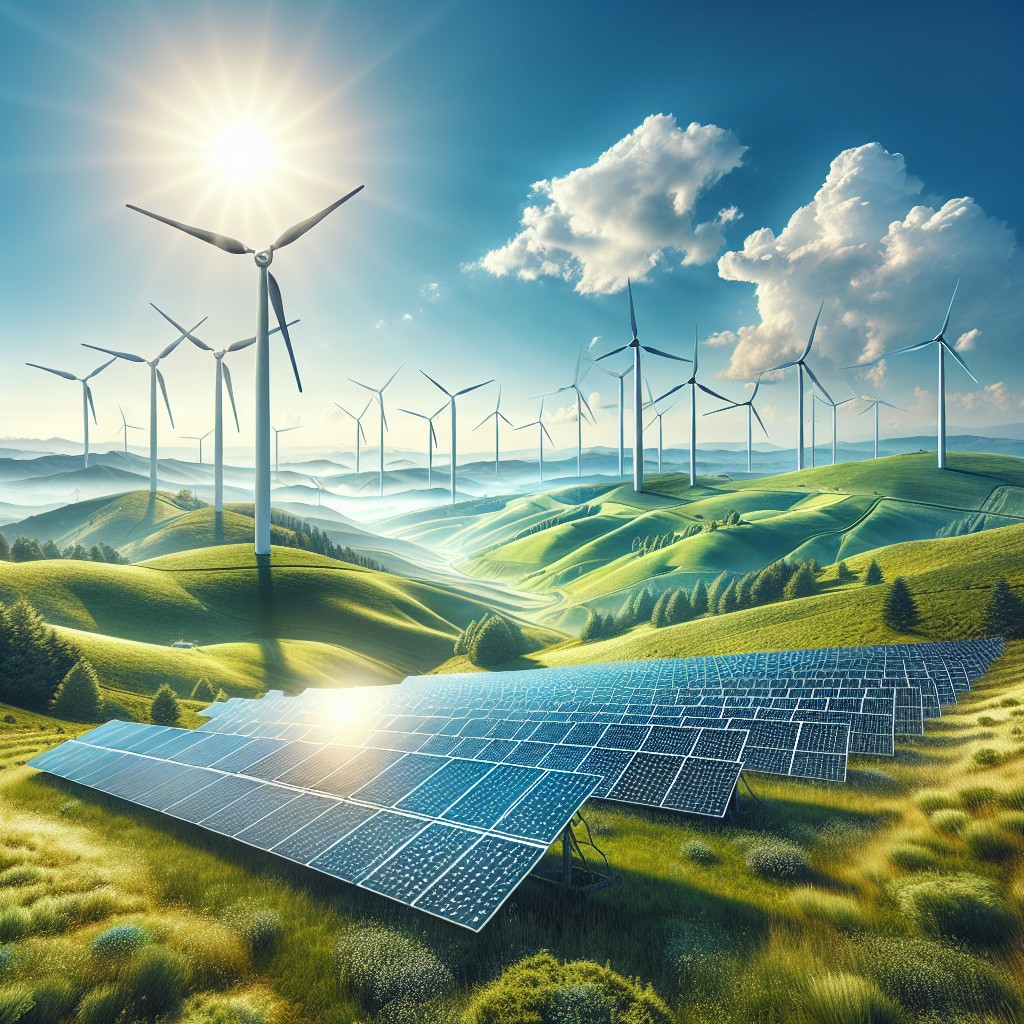
Romania stands at a pivotal moment in its energy transition, as investments in renewable energy, particularly solar and wind power, gain momentum. With global and European Union commitments pushing for a greener future, Romania’s potential for expanding its renewable energy capacity is drawing significant attention from policymakers and investors alike.
Current State of Renewable Energy in Romania
As of early 2024, renewable energy constitutes roughly 25% of Romania’s total electricity production. Wind power projects account for the largest share of this capacity, followed by hydroelectric and solar sources. While hydropower has traditionally led in Romania’s renewable portfolio, rapid solar growth is reshaping the landscape. The government has introduced favorable policies and incentives to stimulate development, aiming to meet both national energy security goals and European climate targets.
Solar Energy Expansion: Opportunities and Challenges
Romania benefits from abundant solar radiation in its southern regions, making solar photovoltaic (PV) systems increasingly viable. In recent years, solar capacity has grown rapidly, driven by declining technology costs and supportive regulatory frameworks. This growth could significantly reduce dependence on fossil fuels and lower greenhouse gas emissions. However, challenges remain, including grid integration concerns and the need for energy storage solutions to manage solar intermittency.
Wind Energy Growth Potential
Wind power has been Romania’s renewable energy flagship for over a decade, with installations mainly concentrated in Dobrogea, a region with some of Europe’s best wind conditions. New wind farm projects continue to be developed, benefiting from improved turbine technology and better financing options. The expansion of wind energy is expected to contribute substantially to Romania’s renewable energy goals, but permits and environmental impact assessments could slow down project deployment if not managed efficiently.
Implications for the Romanian Energy Market
The growth of renewable energy in Romania’s solar and wind sectors represents more than just an increase in clean energy capacity. It could lead to enhanced energy independence, reducing reliance on imported fossil fuels and mitigating exposure to volatile global energy markets. Additionally, expanding renewables may promote new job opportunities in the green economy and stimulate investments in infrastructure modernization, including grid upgrades to accommodate variable energy sources.
Romania’s Role within European Green Energy Targets
Romania’s renewable energy expansion aligns with the European Union’s Green Deal and Fit for 55 package objectives, which seek to cut emissions by 55% by 2030 compared to 1990 levels. By intensifying its development of solar and wind power, Romania contributes to the collective [renewable energy] ambitions of the region. Collaborative cross-border projects and integration into the wider European energy market could further enhance the effectiveness and stability of Romania’s renewable energy supply.
Furthermore, Romania is leveraging EU funding programs to support its renewable infrastructure investments, enhancing both capacity and resilience. These steps mark a noteworthy trajectory towards cleaner energy systems and compliance with international climate commitments.
Conclusion
Romania’s expanding solar and wind energy sectors are poised to bring significant environmental and economic benefits. As investments and policy frameworks evolve, the country is on track to strengthen its renewable energy share, contributing to EU-wide sustainability goals and its own energy security. Continued focus on addressing grid integration challenges and streamlining project approvals will be critical to fully unlocking the potential of renewable energy in Romania.
Frequently Asked Questions about renewable energy
What is the current contribution of renewable energy to Romania’s electricity generation?
Renewable energy accounts for about 25% of Romania’s electricity production, with wind and solar power being the leading sources in recent years.
How is solar energy expected to impact Romania’s energy sector?
The growth of solar energy in Romania is expected to reduce reliance on fossil fuels and lower emissions, especially in regions with high solar potential, although challenges such as grid integration remain.
What role does wind energy play in Romania’s renewable energy expansion?
Wind energy is a cornerstone of Romania’s renewable energy mix, particularly in the Dobrogea region, and will continue to be a vital contributor to future renewable capacity.
How do renewable energy developments in Romania align with EU climate goals?
Romania’s increase in renewable energy supports the EU’s 2030 emissions reduction targets and participates in broader European efforts to transition to cleaner energy sources.
What challenges could affect the growth of renewable energy in Romania?
Key challenges include grid infrastructure limitations, project permitting delays, and the need for improved energy storage to manage the intermittency of solar and wind power.